

Catching up with Aaron Diehl
Aaron Diehl’s musical story is one of lineage, literature, and limitless curiosity. Known for his nuanced playing and intellectual command of the American Songbook and classical repertoire, Diehl bridges the worlds of jazz and classical with ease, reverence, and originality. A finalist and winner of the prestigious American Pianists Awards, he has traveled the globe and played with greats—yet remains grounded in a deep respect for musical history and community.
Diehl recently took part in a two-week festival curated by pianist Dick Hyman and pianist Bill Charlap—whom he calls “an encyclopedia of the American Songbook” and a dear friend for over 20 years. It was a reminder of how personal connections in music often circle back to shared tradition. “Bill’s father, Moose Charlap, wrote music for Peter Pan, and his mother, Sandy Stewart, is a legendary singer. You can feel that history in the way Bill plays,” Diehl reflects.
 Q&A with Aaron Diehl
Q: Where did you grow up, and when did New York enter the picture?
A: I grew up in Columbus, Ohio. I moved to New York when I was 17 to study at Juilliard, and I’ve been here for 22 years now.
Q: What’s your earliest memory of music?
A: My grandfather played jazz piano. I actually started on trombone, but there was always music in the house. My parents had a great record and CD collection. I was three years old when my mom remembers me sitting completely still, listening to Bach. That’s when they knew something was up.
Q: How did jazz come into the picture?
A: I trained classically at the Capital School of Music’s conservatory prep program. Eventually, I got curious about the “language” of jazz. I studied Oscar Peterson, Bill Evans. Then I met Todd Stoll, who was running the high school all-star jazz orchestra in Columbus. He introduced me to Wynton Marsalis, and that changed everything.
Q: You toured with Wynton Marsalis in Europe as a teen. What was that like?
A: It was surreal. I had just auditioned for Juilliard in 2003 and was invited to play with Wynton’s septet that summer. That experience confirmed how deeply I wanted to explore both classical and jazz worlds—not just stylistically but historically.
Q: You speak often about history and musical “literature.” Why?
A: There’s over 500 years of keyboard history. I’m fascinated by the sound worlds, the timbres, the cultural context. Whether it’s canonical European composers or overlooked but pivotal jazz figures, there’s an endless well to explore. I don’t separate genres so much as I think about individuals and their contributions to the musical fabric.
Q: What keeps bringing you back to the piano bench?
A: Endless curiosity. The possibilities never run out. And I still love it. I’m grateful to make a living doing this.
Q: Who were your early inspirations—and who inspires you now?
A: Oscar Peterson, of course. I’ve always admired musicians who are not only virtuosic but deeply thoughtful. Recently, I heard Adam Birnbaum’s trio—he’s capable of multiple approaches and is incredibly nuanced. Davide Virelles is a Cuban pianist and a real polymath. And Tyshawn Sorey—he might have total recall. He’s extraordinary.
Q: How did winning the American Piano Awards affect your career?
A: I applied a few times. When Adam [Birnbaum] and Dan Tepfer were applying, I did too. I didn’t get in until 2011. But when I did, it gave me greater visibility and led to my work with Mack Avenue Records. What I value most is the APA community—host families with pianos in their homes, people truly passionate about music. It’s niche, but it’s real.
Q: What do you enjoy outside of music?
A: I work out every day. I also try to listen to something new every day—whether it’s Patrice Rushen or 20th-century piano works. Staying curious is key.
Q: What’s next for you?
A: I’m working on a solo piano project. I have a duo concert with Timo Andres—he recently performed a concerto with the LA Phil that he had written for me on piano, and we’re bringing that to Carnegie Hall in January.
Whether playing in Chautauqua or on tour in Germany, Aaron Diehl continues to expand the possibilities of the piano—reminding us that tradition and innovation are not opposites, but partners in a lifelong musical conversation.
Upcoming Events
-

Jazz
Premiere Series: Connor Rohrer
November 14Learn More -
Jazz
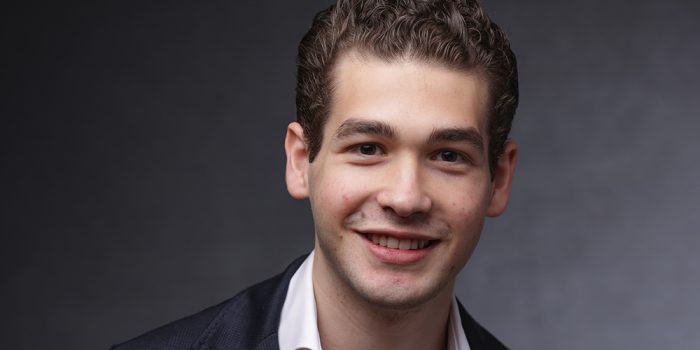
Premiere Series: Brandon Goldberg
December 5Learn More -
Jazz
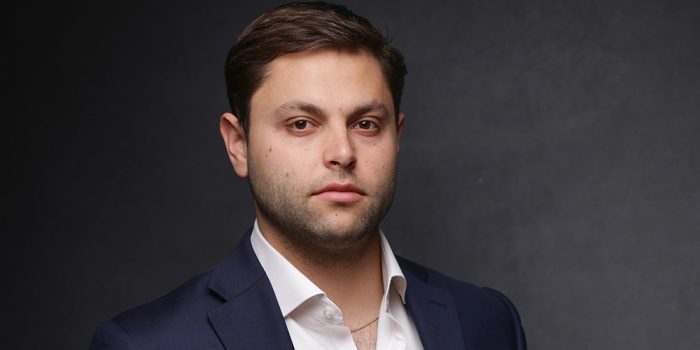
Premiere Series: Joe Block
January 23, 2027Learn More